
If you’ve looked up at your roofline lately and noticed a gutter dipping in the middle, pulling away from the fascia, or just looking… off, you’re not imagining it. Sagging gutters are one of the most common and most overlooked warning signs that something’s going wrong with your home’s drainage system.
The good news is that sagging gutters are almost always fixable, and catching the problem early can save you from a much bigger (and more expensive) repair down the road. In this guide, we’ll walk through exactly why gutters sag, how to tell if yours need attention, when it’s safe to handle it yourself, and how our team at The Gutter Pros approaches the fix.
What Does It Mean When Your Gutters Are Sagging?
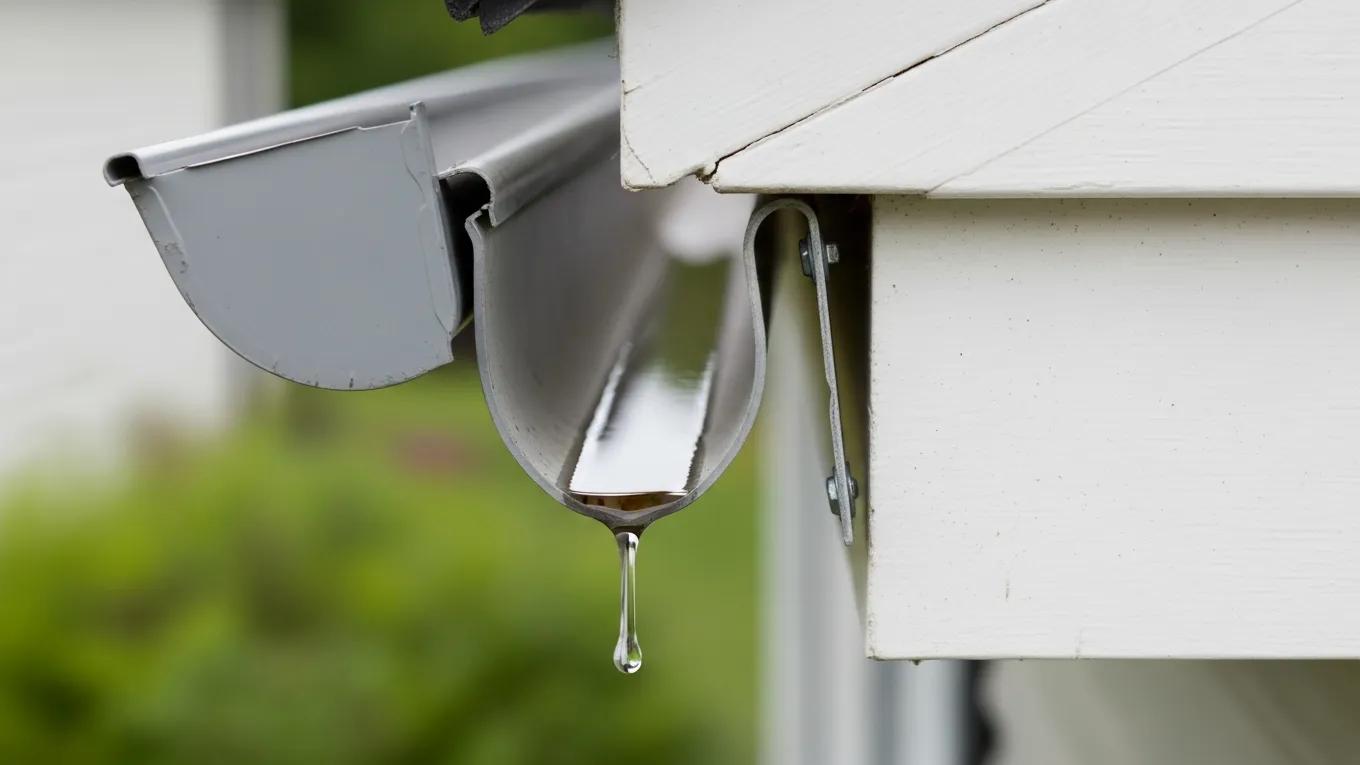
A sagging gutter is exactly what it sounds like: a section of your gutter system that has pulled loose from its proper position and is no longer running in a straight, level line along your roofline. Instead of sitting tight against the fascia board, it dips, bows, or pulls away sometimes just slightly, sometimes enough that you can see daylight between the gutter and the house.
The most common signs of sagging gutters include:
- Visible dips or low spots along an otherwise straight gutter run
- Gaps between the gutter and the fascia board
- Water spilling over the sides during rain instead of flowing to the downspout
- Pooling water sitting in one section of the gutter after it stops raining
- Brackets or hangers visibly bent, loose, or missing
If you’re seeing any of these, the gutter isn’t just “looking bad” it’s no longer doing its job, which is directing water away from your roof and foundation.
Why Are My Gutters Sagging? Top Causes
Sagging doesn’t happen for just one reason. In most cases, it’s a combination of a few of these factors working against your gutters at once.
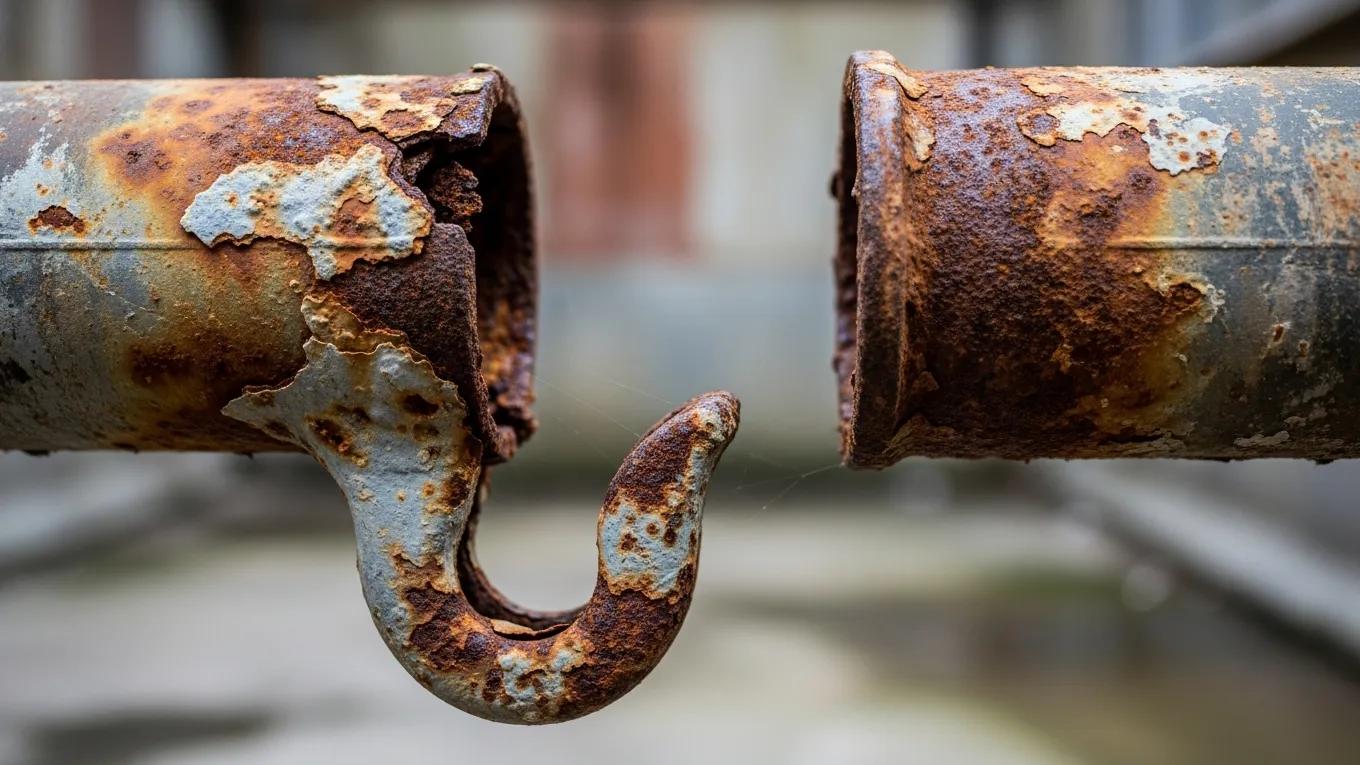
1. Loose or Failing Hangers
Gutters are held in place by hangers or brackets attached to the fascia board. Over time, these hangers can loosen, rust, or pull out of the wood entirely especially if they were spaced too far apart during the original installation. Once a few hangers fail, the weight of the gutter (and whatever’s sitting in it) isn’t evenly supported, and you get that telltale dip.
2. Clogged Gutters Holding Standing Water
This is one of the biggest culprits we see on service calls. Leaves, pine needles, shingle grit, and debris build up and block the downspout, so instead of draining, water just sits in the gutter. A gutter full of standing water is carrying far more weight than it was ever designed for and that extra weight is often what finally pulls a marginal hanger loose.
3. Improper Slope From the Original Installation
Gutters need a slight pitch typically about a quarter-inch of drop for every 10 feet so water flows toward the downspout instead of sitting still. If a gutter was installed flat or with the wrong pitch, water pools in low spots no matter how clean the gutter is, and that constant weight accelerates sagging over time.
4. Old or Corroded Fasteners
Homes with older gutter systems sometimes still have the original spike-and-ferrule fasteners, which are notorious for working loose over the years. Even newer screw-in hangers can corrode or strip out of soft, weathered fascia wood.
5. Ice and Snow Load
While Delmarva doesn’t see the brutal winters of further north, we still get our share of ice storms and heavy wet snow. Ice sitting in a gutter is heavy, and when it accumulates faster than it melts, it can stress hangers and fasteners well past their limit.
Gutters Pulling Away From the House: Is It a Different Problem?
Not really this is usually just a more advanced version of the same issue. When a gutter pulls away from the house rather than just dipping in the middle, it typically means the fascia board itself has weakened, often from water damage caused by the very leaks the sagging gutter created. It’s a bit of a vicious cycle: a sagging gutter overflows, the overflow soaks the fascia, the fascia softens, and then it can no longer hold hangers securely so the gutter pulls away even further.
If you’re noticing soft or discolored fascia boards along with the sagging, that’s worth a closer look our team checks for this automatically during a gutter repair visit.
Is a Sagging Gutter a Big Deal?
It’s tempting to treat a sagging gutter as a cosmetic issue, but ignoring it tends to cost homeowners more in the long run. Here’s what’s actually at stake:
- Foundation damage — water that overflows instead of draining properly pools right at the base of your home
- Fascia and soffit rot — constant water exposure rots the wood your gutters are attached to
- Siding stains and damage — overflow runs straight down exterior walls
- A full gutter failure — a section under enough strain can eventually detach completely, sometimes pulling fascia boards or shingles down with it
A sagging gutter rarely fixes itself, and the problem almost always gets worse with the next heavy rain, not better.
DIY Fix or Call a Professional?
Whether you can safely handle this yourself comes down to the cause and the scope.
You might be able to handle it yourself if:
- It’s a single hanger that’s come loose and the gutter itself is in good shape
- You’re comfortable on a ladder and have the right replacement hangers on hand
- The fascia board behind the gutter is solid, not soft or rotted
It’s time to call a professional if:
- Multiple sections are sagging, not just one spot
- You notice soft, discolored, or rotted fascia
- The gutter has visibly pulled away from the house rather than just dipping
- You’re not confident working safely at height
A lot of homeowners try a quick hanger swap, only to find the fascia underneath is too soft to hold a screw at that point, it’s a repair that needs proper tools and, often, replacement materials, not just a five-minute fix.
How We Fix Sagging Gutters at The Gutter Pros
When we get a call about sagging gutters, we don’t just re-hang the section that’s visibly drooping we look at the whole system, because a sag is usually a symptom, not the root cause. Our process typically looks like this:
- Inspect the full gutter run, not just the sagging section, to catch other hangers that are close to failing
- Check the fascia board behind the gutter for soft spots or water damage
- Clear out any debris or standing water that may be adding unnecessary weight
- Re-pitch the gutter if the slope was wrong to begin with, not just re-secure it at the same angle
- Replace failing hangers with heavier-duty fasteners rated for the gutter size and local weather conditions
- Repair or replace damaged fascia before remounting, if needed
If clogging debris is a recurring issue for your home, installing gutter guards that reduce debris buildup can help prevent this same problem from coming back.
Because we’re a family-owned business that’s worked across Delmarva’s coastal climate for years, we’ve seen how quickly storm debris and humidity can accelerate this exact problem here compared to drier regions which is part of why we check the whole run rather than just patching the visible sag.
How to Prevent Sagging Gutters in the Future
- Clean your gutters at least twice a year (spring and fall) to prevent debris buildup
- Have hangers inspected every couple of years, especially on homes over 10 years old
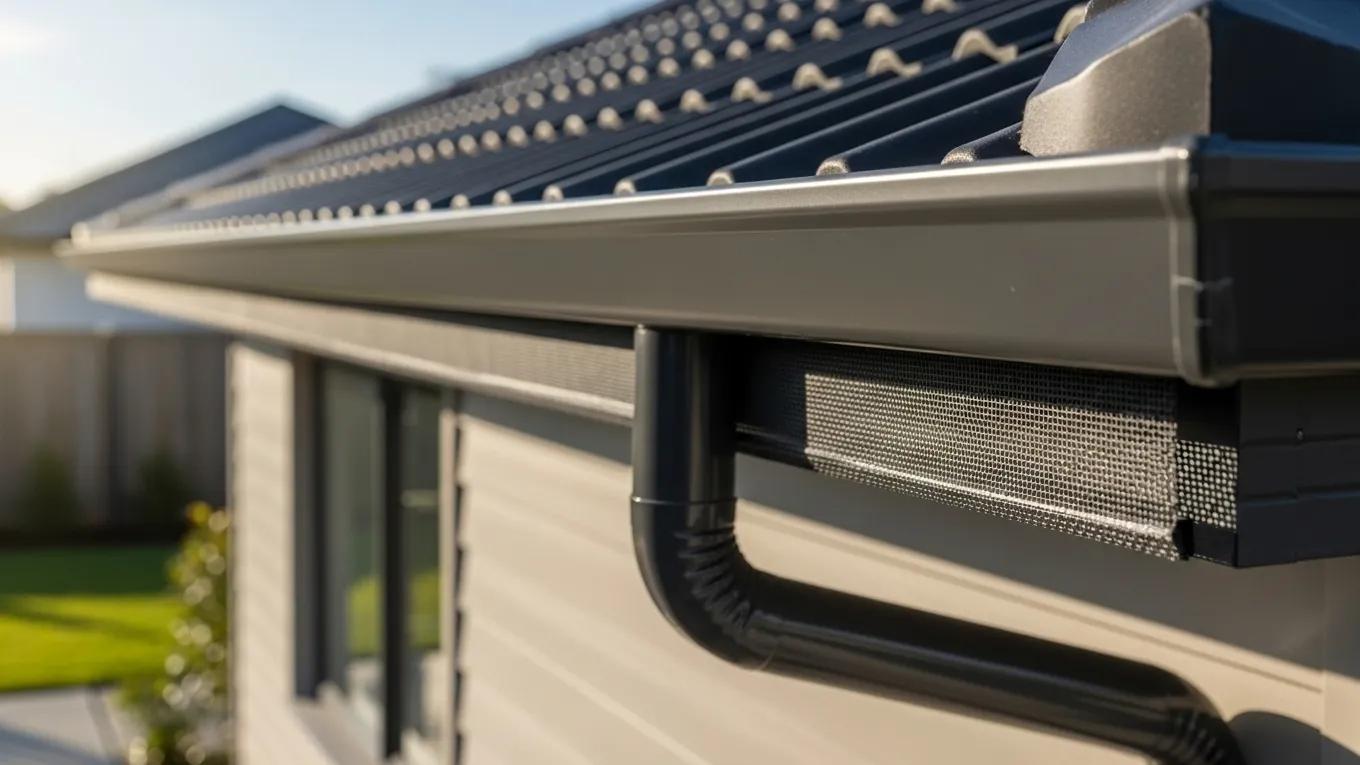
- Consider gutter guards if your property has heavy tree cover less debris means less weight and fewer clogs
- Address fascia issues promptly rather than waiting for a full gutter failure
Frequently Asked Questions
Why are my gutters sagging in just one spot?
A single sagging spot usually points to one or two failed hangers in that exact area, often from a concentrated buildup of debris or a weak point in the fascia board behind it.
Can I fix sagging gutters myself? Yes, if it’s a single loose hanger and the fascia behind it is solid. If multiple sections are affected or the fascia is soft, it’s safer to call a professional.
How much does it cost to fix sagging gutters?
Costs vary depending on how many sections are affected and whether fascia repair is needed, but minor hanger repairs are typically far less expensive than waiting until the gutter fails completely.
Will sagging gutters damage my roof?
Sagging gutters themselves don’t usually damage the roof directly, but the overflow they cause can lead to fascia rot, soffit damage, and water intrusion near the roofline over time.
How do I know if it’s the gutter or the fascia that’s the problem?
If the gutter is dipping but still tight against the house, it’s likely a hanger issue. If the gutter has visibly pulled away from the house, the fascia behind it is often compromised.
Don’t Let a Small Sag Become a Big Problem
Sagging gutters rarely stay a small, cosmetic issue for long. Once a hanger fails or the fascia behind it starts to soften, the problem tends to spread to the rest of the gutter run. If you’re noticing dips, gaps, or overflow along your roofline, it’s worth getting it looked at before the next storm puts more strain on an already weakened section.
Give The Gutter Pros a call for a free inspection we’ll identify exactly what’s causing the sag and fix it right the first time, not just patch the visible symptom.