
Most homeowners know they’re supposed to clean their gutters. The part nobody agrees on is how often.
Ask your neighbor and they’ll say twice a year. Ask the internet and you’ll get answers ranging from “every three months” to “only when they’re visibly clogged.” The truth is there’s no single right answer it depends on your property, the trees around your home, and where you live. And here on Delmarva, the answer is almost always “more often than you think.”
This guide breaks down exactly how often you should be cleaning your gutters, what changes that number, what happens when you skip it too long, and how to tell when it’s time to stop putting it off.
The Short Answer: How Often Should Gutters Be Cleaned?
If you’re looking for a quick, direct answer: most homes need their gutters cleaned at least twice a year once in late spring after tree pollination and seed drop, and once in late fall after the leaves have come down.
That’s the baseline. But depending on your property, twice a year might not be enough and in some cases, it might be more than you need. The sections below help you figure out which applies to your home.
How Tree Cover Changes Your Gutter Cleaning Schedule
The single biggest factor in how often your gutters need cleaning is how many trees surround your home and what kind they are.
Heavy Tree Cover (Multiple Trees Overhanging or Near the Roofline)
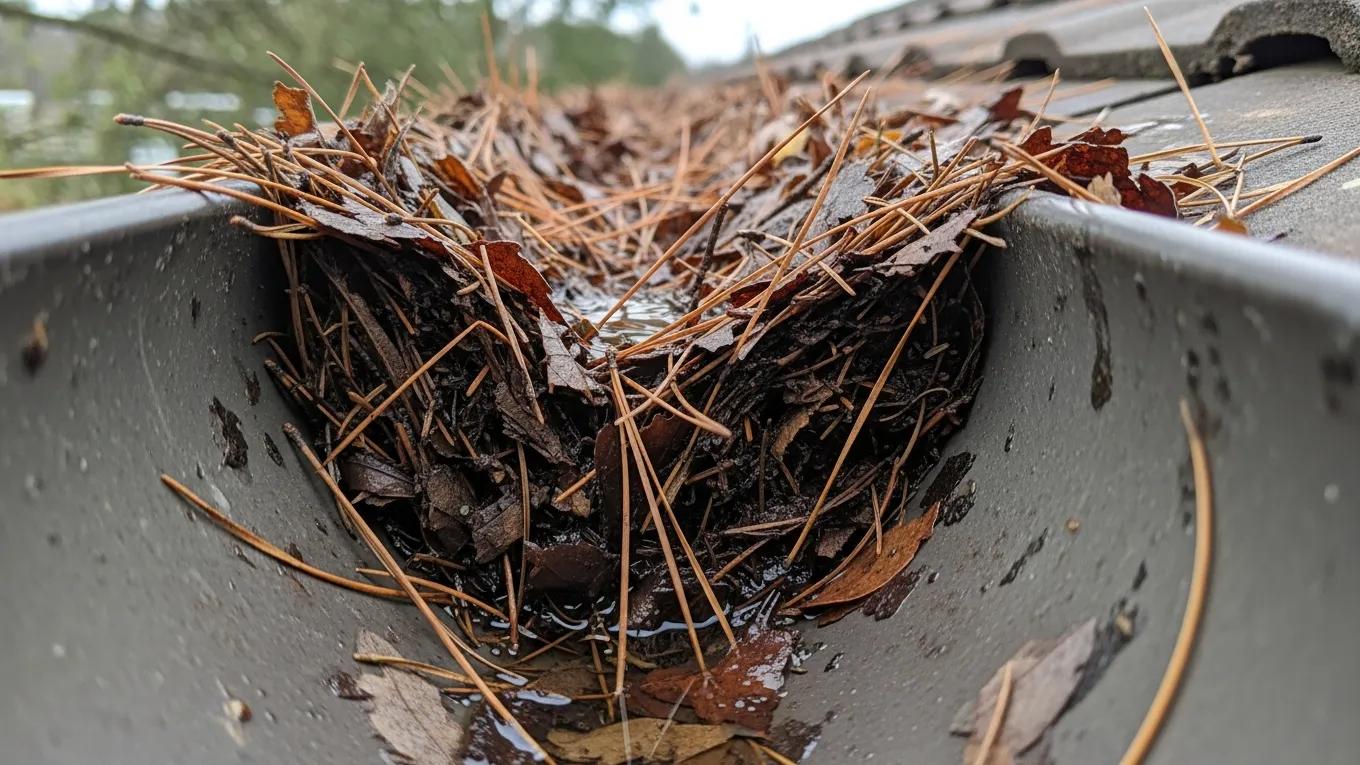
If your yard has mature oak, maple, sweet gum, or pine trees close to the house, you’re probably looking at 3 to 4 cleanings per year not two. These properties deal with:
- Leaves in fall (obvious)
- Seed pods, pollen, and catkins in spring
- Small twigs and branches after summer storms
- Pine needles year-round, which mat together and hold moisture far longer than leaves
Pine trees in particular are worth calling out. A lot of homes across Delmarva are surrounded by loblolly pines, and pine needles are one of the most stubborn gutter-clogging materials there is they don’t break down quickly, they slide past guards that stop leaves, and they pack together tightly enough to completely block a downspout even when it looks like the gutter is “mostly clear.”
Moderate Tree Cover (A Few Trees, None Directly Overhanging)
Twice a year is typically the right cadence spring and fall with a quick visual check after any major storm.
Minimal Tree Cover (Open Yard, No Significant Trees)
If your home sits in an open area with few nearby trees, once a year may be sufficient, though we’d still recommend a spring check after winter weather. Even without leaves, wind-blown debris, shingle grit, and dirt accumulate in gutters over time and need to be flushed out periodically.
Why Coastal Homes on Delmarva Need More Frequent Cleaning
Living near the coast adds a few variables that homeowners in drier, inland areas don’t have to think about.

Storm debris moves fast here. A storm that barely registers inland can blow significant debris across a coastal property twigs, leaves, and even small branches can land in gutters overnight.
Humidity slows debris breakdown. In a dry climate, leaves in a gutter dry out and blow away or break down relatively quickly. In Delmarva’s humid coastal environment, that same debris stays wet, stays heavy, and presses down on the gutter for weeks. That’s one of the main reasons we see so many sagging gutters on coastal properties the weight of wet, packed debris puts constant stress on gutter hangers over time.
Salt air accelerates corrosion. Gutters particularly older aluminum systems with sectional joints can corrode faster in a salt-air environment. Regular cleaning gives you the opportunity to spot early corrosion before it becomes a leak.
Signs Your Gutters Need Cleaning Right Now (Regardless of Schedule)
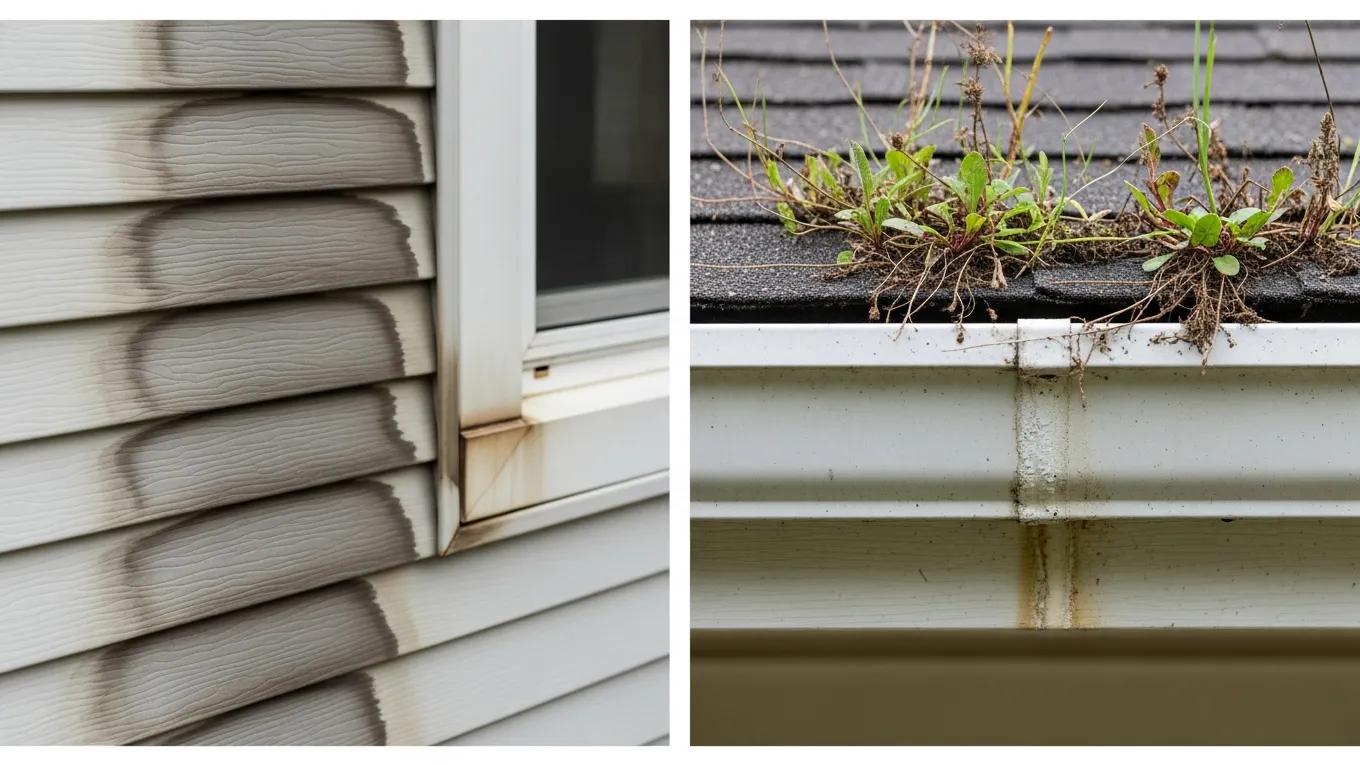
Your twice-yearly schedule is a baseline, not a guarantee. Between scheduled cleanings, keep an eye out for these warning signs that your gutters need attention sooner:
- Water spilling over the sides during rain the most obvious sign the gutter is blocked and can’t drain
- Plants growing in the gutter if debris has been sitting long enough to sprout, it’s been sitting too long
- Sagging or pulling away from the house packed debris adds weight that stresses gutter hangers
- Water stains on siding or fascia boards indicates consistent overflow that’s been running down the exterior
- No water coming out of downspouts during rain means the downspout is blocked, not just the gutter
- Bird or pest activity near gutters debris-filled gutters are attractive nesting spots for birds, squirrels, and mosquitoes (standing water)
If you’re seeing any of these, don’t wait for your next scheduled cleaning.
How Often Should You Clean Gutters If You Have Gutter Guards?
This is one of the most common questions we get, and the honest answer is: less often, but not never.
Gutter guards especially quality micro-mesh systems like Gutterglove and LeafBlaster Pro dramatically reduce the amount of debris that gets into your gutters. Most homeowners with a well-installed guard system go from cleaning twice a year down to once every one to two years.
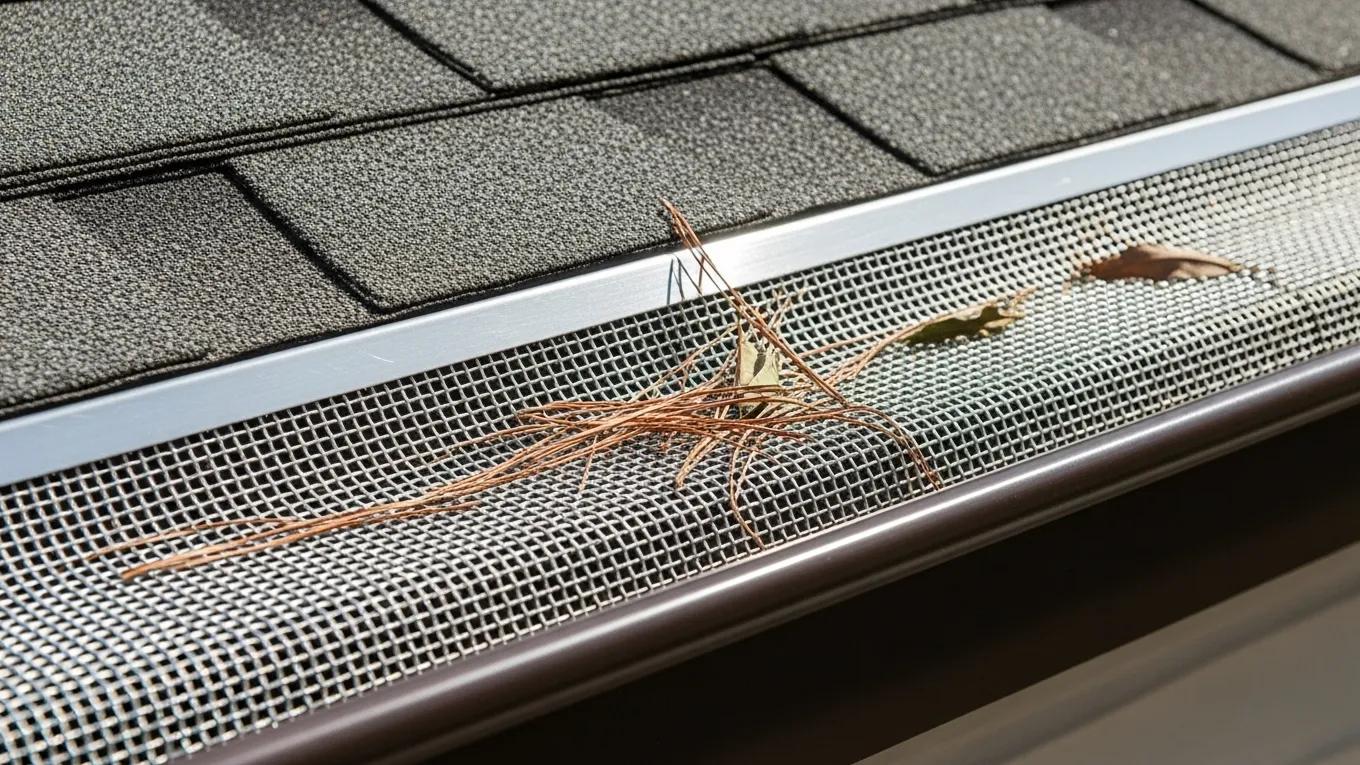
But no guard eliminates cleaning entirely. Fine debris like pollen, roof grit, and small seed particles can still accumulate on top of the mesh over time, and a periodic rinse or inspection keeps the system working the way it should. If anyone tells you that gutter guards mean you never have to touch your gutters again, that’s not the full picture.
What Happens If You Don’t Clean Your Gutters Often Enough?
Skipping gutter cleaning isn’t just a maintenance inconvenience it sets off a chain of problems that get increasingly expensive the longer they go unaddressed:
- Clogs form, causing water to back up and overflow rather than drain
- Overflowing water soaks the fascia boards, leading to rot and softening of the wood your gutters are attached to
- Gutters begin to sag under the weight of packed debris and standing water
- Water pools at the foundation, which can lead to basement leaks, erosion, and in serious cases, structural issues
- Mold and mildew develop on siding and in crawlspaces from consistent water exposure
- Pests move in mosquitoes breed in standing water, and birds or rodents nest in debris-filled troughs
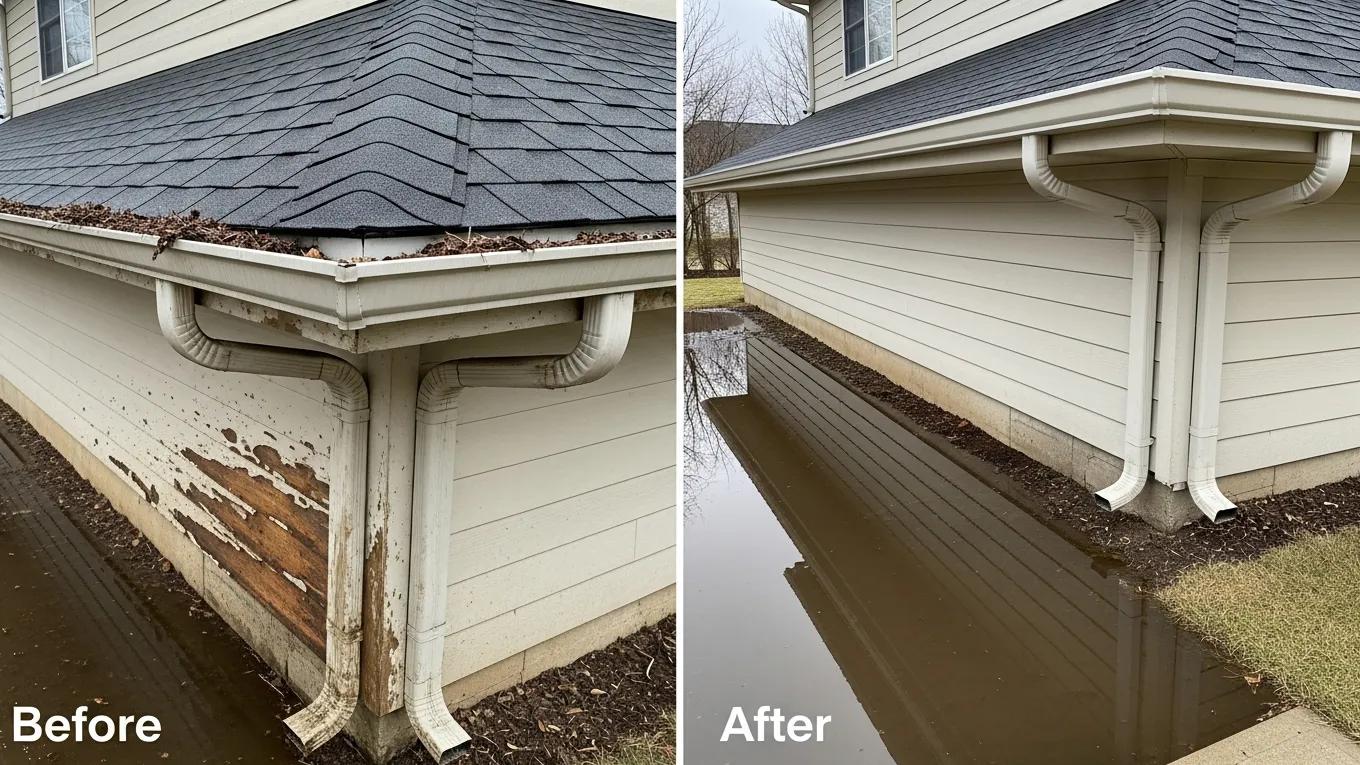
None of these are dramatic on day one. But left long enough, a clogged gutter can turn a simple $150 cleaning into thousands of dollars in fascia replacement, foundation repair, or mold remediation. The cleaning is almost always the cheaper option.
DIY Gutter Cleaning vs. Hiring a Pro
Some homeowners clean their own gutters, and for a single-story home with light debris, that’s a reasonable approach if you’re comfortable on a ladder and have the right tools (a good scoop, a garden hose, and somewhere to put the debris).
For most homes especially two-story houses, homes with steep rooflines, or properties with heavy tree cover professional cleaning is worth the cost for three reasons:
- Safety: A significant number of home injury accidents each year involve falls from ladders during DIY gutter maintenance
- Thoroughness: Professional cleaning includes flushing the downspouts and inspecting the gutter run for early issues a hose from the ground doesn’t catch hangers that are close to failing
- Spotting problems early: A trained eye during a cleaning will catch a developing sag, a corroding joint, or early fascia damage before it becomes a repair bill
Frequently Asked Questions
How often should gutters be cleaned in Maryland and Delaware?
At minimum, twice a year spring and fall. Homes with significant tree cover, especially pine trees, benefit from 3 to 4 cleanings annually given the debris volume and Delmarva’s humid coastal climate.
Is once a year enough for gutter cleaning?
Only for homes with minimal tree cover and no history of clogs. For most Delmarva properties, once a year leaves too long a gap particularly between spring and fall when summer storms add debris.
How often should gutters be cleaned with leaf guards installed?
With a quality micro-mesh guard system, most homeowners reduce cleaning to once every one to two years, though an annual inspection is still recommended.
What time of year is best for gutter cleaning?
Late November (after leaves have fully dropped) and late April or May (after spring pollination) are the two best windows for most Delmarva homes.
How do I know if my gutters need cleaning before my scheduled date?
Water spilling over the sides during rain, visible plants growing in the gutter, sagging sections, or staining on your siding and fascia are all signs to call sooner rather than waiting.
Keep Your Gutters Clean Before the Next Storm Rolls In
If you can’t remember the last time your gutters were cleaned, that’s a pretty good sign they’re due. A clogged gutter doesn’t give you a lot of warning before it starts causing real damage it just quietly overflows every time it rains until the fascia rots or the gutter pulls loose.
The Gutter Pros serve homeowners across Berlin, Ocean City, Selbyville, Salisbury, Lewes, Bethany Beach, Rehoboth Beach, Ocean Pines, Ocean View, and Millsboro. If you’re not sure whether your gutters need attention, we’re happy to take a look. Schedule a free inspection and we’ll tell you exactly what you’re working with no pressure, no guesswork.